
Trump Extends Iran Ceasefire as Pakistan Hosts High-Stakes “Islamabad Talks 2.0”
A Fragile Ceasefire on the Edge
Tensions between the United States and Iran have escalated sharply as President Donald Trump announced a last-minute extension of the fragile ceasefire, pushing it forward by two more days until Wednesday evening. The move is being described as a final attempt to keep diplomatic channels open before the agreement potentially collapses.
Originally set to expire on April 21 at 8 PM (ET), the truce now continues under intense uncertainty. Trump has issued a stern warning that this extension may be the last opportunity for a negotiated breakthrough, signaling that failure could lead to renewed confrontation.
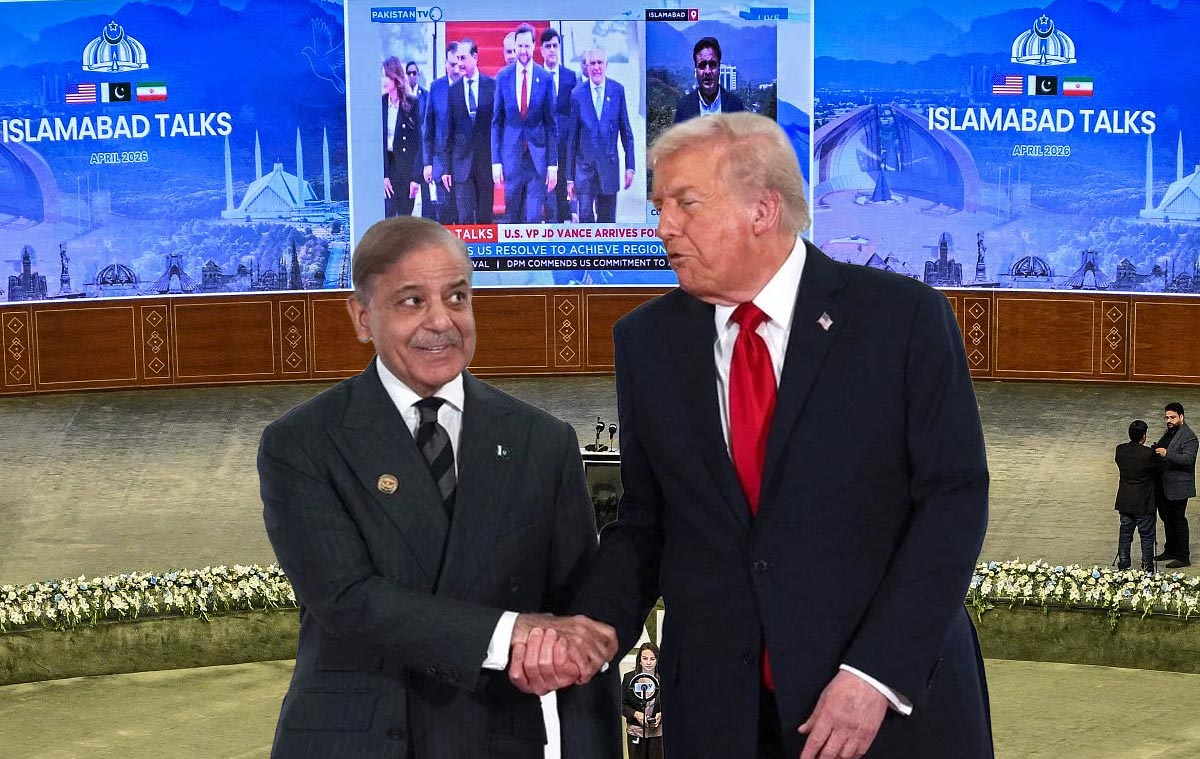
Pakistan Becomes the Diplomatic Center Stage
In a surprising geopolitical development, Pakistan has emerged as a key diplomatic hub in the crisis. The country is set to host what is being referred to as “Islamabad Talks 2.0,” aimed at reviving stalled negotiations between Washington and Tehran.
US Vice President JD Vance is expected to arrive in Pakistan today (Tuesday), with discussions heavily focused on Iran-related tensions and efforts to salvage the ceasefire before the deadline expires.
Officials in Islamabad are reportedly maintaining cautious optimism, suggesting there are still “encouraging signals” that Iran may reconsider returning to the negotiation table.
Iran’s Strong Response to US Pressure
On the other side, Iran has strongly rejected Washington’s approach, accusing the US of undermining the ceasefire through coercive tactics.
- Parliamentary Speaker Mohammad Bagher Ghalibaf stated that Iran will not accept negotiations under pressure and warned of possible escalation if necessary.
- Foreign Minister Abbas Araghchi further claimed that alleged US violations are actively damaging peace efforts.
Iran has also linked its withdrawal from a second round of talks to rising tensions, including a disputed incident involving a cargo vessel in the Strait of Hormuz.
Key Issues Blocking the US–Iran Agreement
Several critical disputes continue to prevent any meaningful breakthrough:
1. Nuclear Program Dispute
The US is demanding a full shutdown of Iran’s nuclear program, while Iran insists any restrictions must remain temporary and reversible.
2. Uranium Stockpile Control
Washington wants control over Iran’s approximately 400kg of highly enriched uranium—an offer Tehran has completely rejected.
3. Strait of Hormuz Tensions
Iran has suggested shipping restrictions will continue unless sanctions are lifted, while the US is maintaining pressure until a deal is finalized.
4. Frozen Financial Assets
Iran is demanding access to nearly $20 billion in blocked funds held abroad.
5. Compensation Claims
Tehran is also seeking an estimated $270 billion in damages, claiming losses due to US and Israeli actions.
A Region on Diplomatic Knife-Edge
With Pakistan acting as an unexpected mediator, the coming days are critical. The extension of the ceasefire has only delayed the crisis, not resolved it. Both sides remain far apart on core issues, and trust appears severely damaged.
If no agreement is reached within the new timeframe, analysts warn that the situation could rapidly escalate into a broader regional confrontation with global consequences.
For now, all eyes are on Islamabad—and whether diplomacy can survive its final test.